Chhath Puja of Bihar — A Complete,guide to the Festival of the Sun
Chhath Puja is one of the most ancient and unique festivals of Bihar and neighboring regions. This guide explains the origin, significance, rituals, food (prasad), songs, regional variations, practical tips for visitors, and answers frequently asked questions.
Introduction & Overview
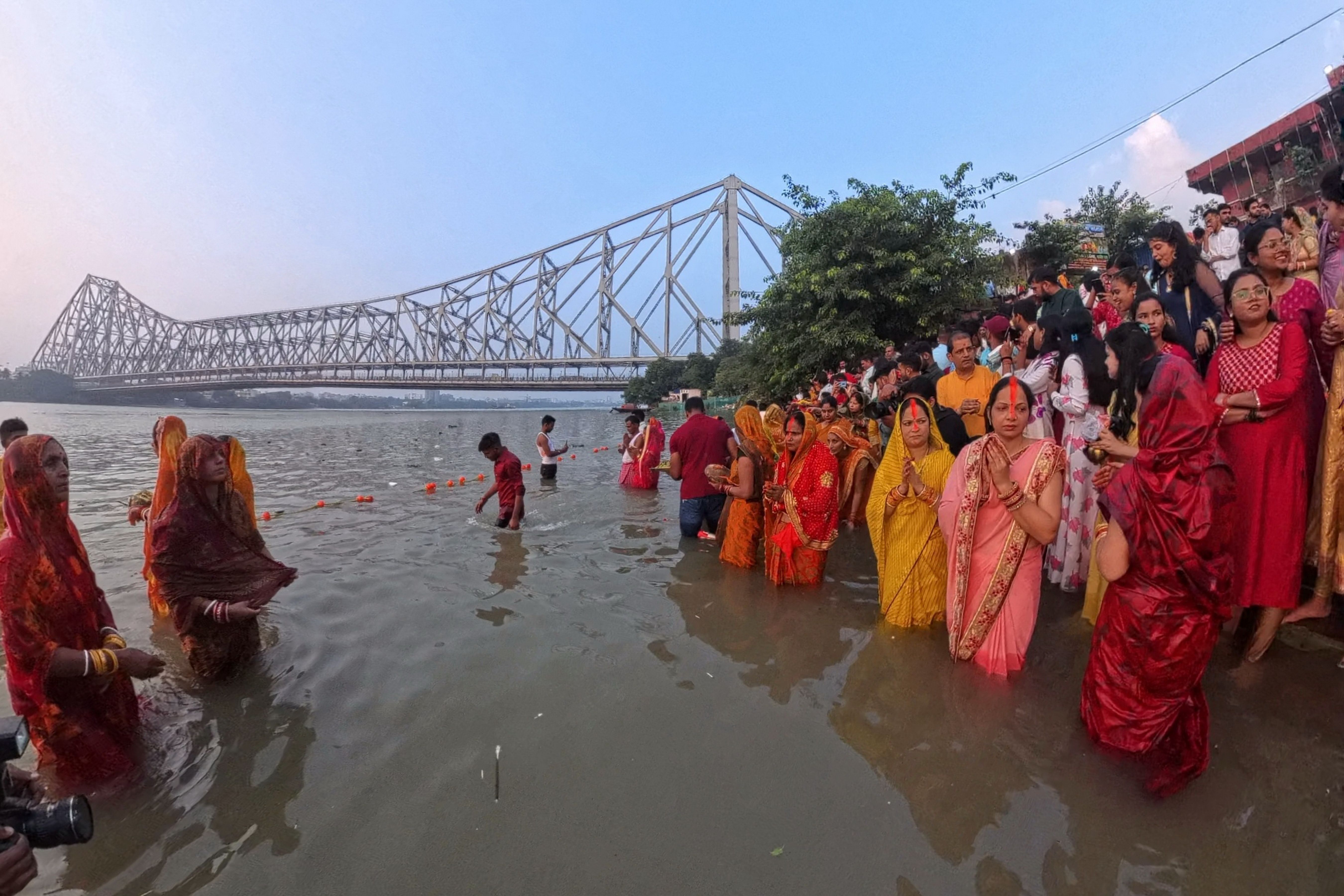
Chhath Puja is a deeply rooted festival predominantly celebrated in the Indian state of Bihar, but also observed in neighboring states (Jharkhand, eastern Uttar Pradesh, West Bengal) and in Nepal. At its heart, Chhath is a festival of thanksgiving and reverence to the Sun God (Surya) and Chhathi Maiya — the goddess associated with the festival. Observed for four days, devotees perform rigorous rituals including fasting, holy bathing, and offering arghya (water offerings) to the setting and rising sun from riverbanks, ponds and other clean water bodies.
Although Chhath is celebrated across communities, its strongest cultural expression and rituals are found in Bihar — where entire towns and villages come alive, ghats (river banks) are cleaned and transformed, and families reunite to observe the festival with devotion and restraint.
History & Origins
The exact historical origin of Chhath Puja is layered with mythology, folklore and regional traditions. There are references to solar worship in ancient Vedic texts, and subsequent folk traditions merged with local beliefs to shape the distinct festival we know today. In the folk memory of Bihar, Chhath's roots are associated with:
- Vedic worship of the Sun (Surya) as a life-giving force.
- Local legends: stories of kings, queens and commoners who regained health, progeny or victory after performing the rigorous four-day vrat (fast) and offering to the sun.
- Agricultural cycles: Chhath falls close to harvest seasons in some regions and is a natural thanksgiving ritual for abundant crops, sunlight and prosperity.
Mythological stories commonly narrated during Chhath include tales where gods and mortals seek blessings from Surya and Chhathi Maiya for progeny, recovery from illness, or success. The festival’s endurance in Bihar owes much to its interweaving with family, land and seasonal rhythms — which is why it continues to be passionately observed across socio-economic classes.
Spiritual & Cultural Significance
Chhath Puja symbolically celebrates:
- Gratitude to the Sun: Surya is the source of light, energy and life. Offering arghya at sunrise and sunset is an act of thanksgiving.
- Purity & Self-discipline: The festival emphasizes physical purity (cleaning ghats, bathing) and inner discipline (fasting, celibacy, silence often observed by devotees).
- Family Bonds: It is commonly a family affair — women (and many men) perform the vrat for the well-being of the family.
- Community Harmony: Performing Chhath at public ghats builds communal cooperation — cleaning, decorating, organizing prasad distribution and maintaining order.
Beyond religious significance, Chhath is also a cultural event: folk songs, traditional clothes, communal feasts and the sight of thousands of lamps at riverbanks give it powerful visual and emotional resonance.
When is Chhath Puja Celebrated?
Chhath Puja usually falls in the month of Kartik or Kartik/Chaitra depending on the lunar calendar variant being followed; for the most widely observed winter/early-winter Chhath, the festival begins on Kartik Shashthi (sixth day) and extends for four days: Nahay Khay, Kharna, Sandhya Arghya (evening) and Surdh (sunrise) Arghya.
Because the festival follows the Hindu lunar calendar, actual Gregorian dates change yearly. Devotees typically check local panchangs or trusted community calendars for the exact tithi (lunar day) and arghya timings. If you are planning to attend as a visitor, look up the dates and exact sunrise/sunset timings for your district and local ghat.
Detailed Rituals — Day-by-Day
Day 1: Nahay Khay (The Bath & Clean Eating)
The first day starts with a ritual bath (often in a river) and rules around pure, simple food. The main features:
- Devotees take a holy bath in a clean water body early in the day.
- Homes and the place of worship are carefully cleaned.
- Only water-cooked vegetarian food is consumed; use of onion/garlic is often avoided.
- Many families prepare thekua and other prasad ingredients on this day.
Day 2: Kharna (Fasting & Prasad)
Kharna is a major observance. Key points:
- The devotee observes a strict fast without water from sunrise till sunset (fasting practices can vary by family).
- After sunset, a ceremonial meal—usually including kheer (rice pudding), jaggery, bananas and chapatis—is prepared and consumed by the fasting person. This meal is called the Kharna meal and marks the end of that day’s strict fast.
- After Kharna, devotees observe the main Chhath fast (which often means no food and sometimes no water till the final arghya on Day 4).
Day 3: Sandhya Arghya (Evening Offerings)
Day 3 is devoted to preparing the bamboo baskets of prasad and taking them to the riverbank for evening offerings:
- Devotees gather at ghats or clean ponds before sunset. Boards or small torches (diyas) may be lit.
- A ritualistic standing in water, singing Chhath songs, and offering arghya (water and prasad) to the setting sun are performed.
- After the arghya, prasad is often distributed among family and community members.
Day 4: Usha Arghya (Sunrise Offering & Breaking the Fast)
The climax of Chhath is the sunrise arghya:
- Devotees gather in the pre-dawn hours. The offerings are made to the rising sun — often in silence, with prayers, folk songs and the beating of small drums or clapping.
- After the final offering, devotees break their fast—this is a moment of intense joy and communal sharing.
Note: Ritual details vary between families and regions. Some families observe minor additional rituals such as offering special items to Chhathi Maiya or performing certain home-based poojas before going to the ghat.
Prasad & Special Foods of Chhath
Prasad (offerings) used in Chhath are simple, pure and largely sattvic (no onion/garlic). Typical prasad items include:
- Thekua: A deep-fried sweet made from whole wheat flour, jaggery and ghee. Often shaped into discs or other forms.
- Kheer: Rice pudding cooked slowly with milk and sugar/jaggery, served as prasad for Kharna and other rituals.
- Fruits: Raw bananas, coconuts, seasonal fruits (mangoes, apples, depending on season).
- Chapatis: Plain whole-wheat breads prepared without oil.
- Jaggery & Milk: Natural ingredients used in various prasad preparations.
- Seasonal sweets: Local variations like laddoo made from semolina or rice.
Popular Prasad Recipes (Short)
Thekua (Simple Recipe)
Ingredients: whole wheat flour, jaggery (or sugar), ghee, water, a pinch of cardamom (optional).
- Melt jaggery into a syrup and mix with ghee.
- Combine syrup with wheat flour to make a dough (firm, not too soft).
- Roll into discs and deep-fry until golden brown. Drain and cool.
Kheer (Simple)
Ingredients: rice, milk, jaggery or sugar, cardamom.
- Boil milk and add washed rice. Cook on low flame until rice is soft and milk thickens.
- Add jaggery/sugar and cardamom; simmer for a few minutes. Cool and offer.
These recipes are intentionally plain and free from strong spices to maintain the ritual purity expected during Chhath.
Preparation & Checklist for Devotees
Preparing for Chhath requires both spiritual focus and practical planning. Here is a checklist commonly used by Bihari households:
- Clean the Ghat or Water Body: Coordinate with neighbors to clean the bank, remove debris, and set up a safe space for devotees.
- Gather Prasad Ingredients: Wheat flour, jaggery, rice, milk, bananas, coconut, sugar, cloth, bamboo baskets, earthen lamps (diyas).
- Prepare Clothes & Utensils: Fresh clean clothes (often white or traditional attire), copper/silver vessels for water offerings, clean plates for prasad.
- Arrange Volunteers: For large ghats, community volunteers manage crowd, safety and distribution of prasad.
- Check Sunrise/Sunset Timings: Confirm the exact local times for arghya to ensure correct timing of rituals.
टिप्पणियाँ
एक टिप्पणी भेजें